
EOFY is coming up fast for New Zealand business owners, and a little prep now makes everything feel lighter later. This guide walks you through the key checks before 31 March, like reconciling your accounts, reviewing what’s owed, completing a stocktake, checking assets and depreciation, and making sure GST and payroll are tidy. It also includes key EOFY dates, so you can stay ahead, reduce stress, and head into the new financial year with clear, reliable numbers.
As we head towards 31 March, End of Financial Year (EOFY) starts creeping onto the to‑do list for a lot of New Zealand business owners. If it already feels a bit overwhelming, you’re not alone.
The good news? EOFY doesn’t have to be painful. A bit of preparation now can save you time, money, and a whole lot of stress later — and it can even give you a clearer picture of how your business is really tracking.
By the time EOFY rolls around, your books should reflect the full picture of your business for the year, not a half‑finished version that needs last‑minute fixing.
Why It Pays to Prepare Early
Leaving everything until the last minute usually leads to:
Rushed decisions
Missed deductions
Errors that take time (and money) to fix
When your records are tidy and up to date, EOFY becomes much smoother. You also get better information about your profits, cash flow, and tax position — which makes planning for the year ahead far easier.

EOFY To‑Do List: The Key Things to Check
You don’t need to do everything at once, but these are the main areas worth focusing on as 31 March approaches.
1. Get Your Books Up to Date
Make sure all income and expenses have been entered and your bank accounts and credit cards are fully reconciled. Missing transactions or unreconciled accounts slow everything down at EOFY.
If you’re using accounting software like Xero, now’s the time to:
Match transactions correctly
Attach receipts where possible
Fix any coding issues while they’re still fresh
2. Review Who Owes You — and Who You Owe
Take a look at outstanding invoices and overdue bills. Following up unpaid invoices before year‑end can really help cash flow.
Tip! This is also the time to identify any debts that are genuinely not going to be collected, as these may be able to be written off correctly.
3. Do a Stocktake (If You Hold Stock)
If your business carries stock, a stocktake at 31 March is required. This includes identifying damaged, obsolete, or unsellable items, which may be written down or written off.
Tip! Accurate stock figures make a big difference to your taxable profit, so this step is worth doing properly.
4. Check Your Assets
Vehicles, tools, equipment, and other assets should be reviewed:
Add any new assets purchased during the year
Remove assets that are no longer used
Make sure depreciation is up to date
This helps ensure your financial statements reflect the real value of your business.
5. Make Sure GST and Payroll Are Sorted
Before EOFY, it’s important that:
GST returns are up to date and accurate
PAYE, KiwiSaver, and other payroll obligations are correct
Tip! These areas are closely monitored by IRD, so it’s much easier to fix small issues now rather than after year‑end.

Key Dates to Keep in Mind
A quick reminder of the main dates:
31 March – End of financial year
7 July – Income tax return due if you don’t use a tax agent
28 August – Provisional Tax Payment (if using the ratio method, payments may differ).
31 March the following year – Extended filing deadline if you use a registered tax agent (and qualify)
7 April the following year – Final Income Tax Payments
15 January, and 7 May the following year – Provisional Tax Payments (if using the ratio method, payments may differ).
Tip! Using a bookkeeper or accountant often gives you more time, better planning, and fewer surprises.
EOFY Is Also a Chance to Plan Ahead
EOFY isn’t just about ticking boxes for IRD. It’s a great opportunity to:
Review how your business performed over the past year
Spot trends in income and expenses
Set realistic goals and budgets for the year ahead
Tip! When your numbers are accurate, these conversations become far more useful — and far less stressful.
Final Thoughts
EOFY doesn’t need to mean late nights, messy paperwork, or panic. Starting early and staying organised makes a huge difference.
If you’d like help getting your books EOFY‑ready — or you just want reassurance that everything’s on track — now’s the perfect time to get support and take the pressure off.
Want a simple EOFY-ready checklist to keep you on track?

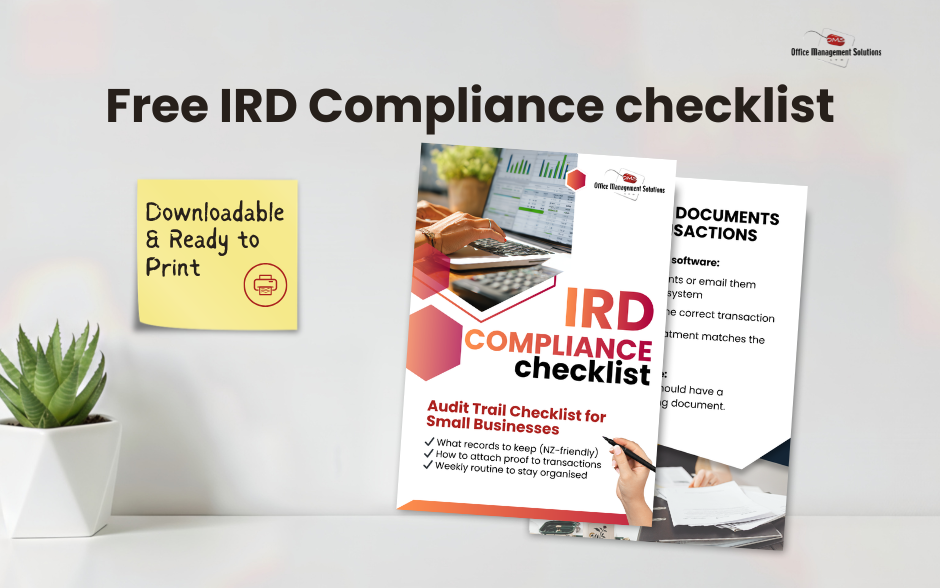
If you’d like a quick, printable guide you can follow each week, I’ve put together a IRD Compliance checklist for small business owners.
Pop your email in below and we’ll send it straight to your inbox.